Song of the Woods
  • Index of Plants
  • Edible Plants & Medicinal Plants Blog
  • About SOTW
    • Meet Your Creator: The Coolest Observations I’ve Had
    • About Song of the Woods
    • Contact
    • Privacy Policy
    • Cookie Policy
    • Terms of Use
  • Subscribe

Purple finches

Tulip Tree – Liriodendron Tulipifera: Medicinal & Alternative Uses for a Tree Covered in “Tulips”
September 5, 2025 by Rachel of the Woods Leave a Comment
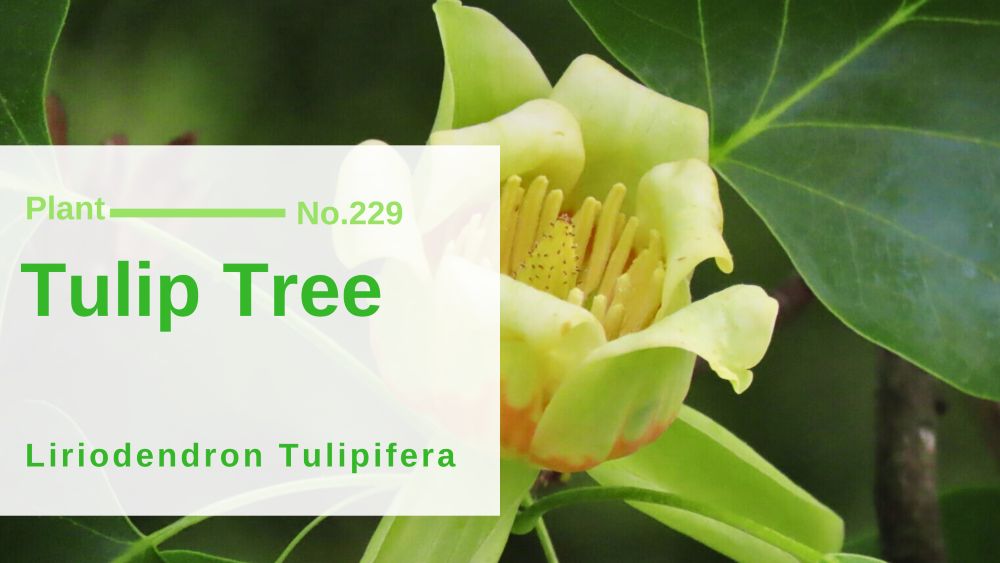
Tulip Tree - Liriodendron Tulipifera

Tulip tree AKA tulip poplar AKA arbre aux lis (Liriodendron tulipifera) is only native to parts of southern Ontario, so it’s near native in Haliburton and it’s not listed in Haliburton Flora. A stunner, the flowers really do look like tulips: My pictures on this page are from a tulip tree in my eldest sisters backyard … [Read more…]

Posted in: Edible & Medicinal Wild Plants Tagged: Alterative, American goldfinches, Anti-Inflammatory, Antiseptic, Attracts pollinators, Bees, Butterflies, Cardiovascular, Cotton-tailed rabbits, Deer mice, Diaphoretic, Full sun, Gray squirrel, Magnoliaceae/Magnolia family, Medicinal parts, Mice, Moist soil, Native to Ontario, Nervous, Northern cardinals, Pileated woodpeckers, Purple finches, Red squirrels, Reproductive, Ruby-throated hummingbirds, Stimulant, Well drained soil, White flowers, White-footed mice, White-tailed deer, Yellow flowers, Yellow-bellied sapsuckers

Red Maple – Acer Rubrum: Edible & Medicinal Uses for a Surprisingly Important Spring Flower

June 20, 2025 by Rachel of the Woods Leave a Comment
Red Maple - Acer Rubrum

Red maple (Acer rubrum) is not just an icon on the Canadian flag. Its spring flowers are rich in nectar and sought by bees very early in spring when there are less resources. Willow is another very early bloomer. These trees and shrubs are vital for bees and other pollinators, despite the PR being stronger … [Read more…]

Posted in: Edible & Medicinal Wild Plants Tagged: Astringent, Attracts pollinators, Bats, Bees, Dye, Edible parts, Elk, Evening grosbeaks, Found in damp mixed woods, Found in stream banks, Found in swampy mixed woods, Gray squirrel, Integumentary, Loamy soil, Medicinal parts, Moist soil, Moose, Native to Ontario, Nuthatches, Pileated woodpeckers, Purple finches, Rabbits, Red squirrels, Red-breasted nuthatches, Ruffed grouse, Sapindaceae (incl. Aceraceae)/Maple family, Screech owl, Snowshoe hares, Squirrels, Well drained soil, White-tailed deer, Wild turkey, Wood ducks, Yellow-bellied sapsuckers

Nannyberry – Viburnum Lentago: Edible & Medicinal Uses of a Black Haw Cousin

May 16, 2025 by Rachel of the Woods Leave a Comment
Nannyberry - Viburnum Lentago

Around Haliburton, nannyberry (Viburnum lentago) is one of our uncommon bush cranberries. It may be found on wet banks, river edges, or in wet meadows. It’s on the taller side as bush cranberries go. In appearance and usage, it’s much like black haw, which grows just to our south in the States. It’s also similar … [Read more…]

Posted in: Edible & Medicinal Wild Plants Tagged: Adoxaceae (incl. Caprifoliaceae, p.pt.)/Moschatel family, American robins, Antispasmodic, Attracts birds, Attracts pollinators, Beavers, Bees, Cedar waxwings, Chipmunks, Cotton-tailed rabbits, Digestive, Diuretic, Eastern bluebirds, Eastern chipmunks, Edible parts, Found in damp shore banks, Found in riverbanks, Full sun, Gray catbirds, Gray squirrel, Hermit thrushes, Indigo buntings, Medicinal parts, Moist soil, Native to Ontario, Northern flickers, Purple finches, Red foxes, Reproductive, Ruffed grouse, Well drained soil, White flowers, White-footed mice, White-tailed deer

Elms – Ulmus SPP.: Edible & Medicinal Uses of the Slippery Bark of Wild Plants

January 20, 2023 by Rachel of the Woods Leave a Comment
Elms – Ulmus SPP.

Slippery elm is the medicinal star of the elms (Ulmus spp.) native to Ontario. It’s also most popular local/Haliburton elm for foraging. But elm is at risk due to Dutch elm disease. Around cottage country Ontario there are three main native elm (Ulmus spp.) trees. The most common is American/white elm (Ulmus americana) as featured … [Read more…]

Posted in: Edible & Medicinal Wild Plants Tagged: American goldfinches, Astringent, Beavers, Black-capped chickadees, Chipmunks, Cotton-tailed rabbits, Demulcent, Digestive, Diuretic, Edible parts, Emollient, Expectorant, Found in deciduous or mixed woods, Found in deciduous woods, Found in roadsides, Found in shaded banks, Found in swampy mixed woods, Full sun, Integumentary, Laxative, Loamy soil, Medicinal parts, Mice, Moist soil, Mucilage, Native to Ontario, Northern orioles, Nuthatches, Partial shade, Pine siskins, Purple finches, Red-eyed vireos, Red-shouldered hawks, Redpolls, Respiratory, Rose-breasted grosbeaks, Ruffed grouse, Squirrels, Ulmaceae/Elm family, Urinary, Warbling vireo, White-tailed deer, Wild turkey, Wood ducks, Woodpeckers, Yellow-bellied sapsuckers, Yellow-rumped warblers

Bush-Cranberries – Viburnum SPP.: Edible & Medicinal Uses of the Alt Cranberry of Wild Plants

November 11, 2022 by Rachel of the Woods Leave a Comment
Bush-Cranberries – Viburnum SPP.

Bush cranberries are a common sight in Cottage country, Ontario. These berried shrubs include hobblebush, wild raisin, nannyberry, maple-leaved viburnum and highbush cranberry. All mentioned have edible and medicinal uses. Bush-cranberries (Viburnum spp.) are common here around Haliburton. Hobblebush (Viburnum lantanoides), pictured in the featured image, is common along wooded roadsides and edges of woods. … [Read more…]

Posted in: Edible & Medicinal Wild Plants Tagged: Adoxaceae (incl. Caprifoliaceae, p.pt.)/Moschatel family, American robins, Antispasmodic, Beavers, Cedar waxwings, Chipmunks, Cotton-tailed rabbits, Deer mice, Digestive, Dye, Eastern bluebirds, Edible parts, Found in edges of woods, Found in roadsides, Full sun, Gray catbirds, Hermit thrushes, Medicinal parts, Native to Ontario, Northern flickers, Perennial, Purple finches, Rabbits, Red foxes, Respiratory, Rose-breasted grosbeaks, Ruffed grouse, Squirrels, White flowers, White-footed mice, White-tailed deer

Tamarack – Larix Laricina: Edible & Medicinal Uses of the Sweet Gum of Wild Plants

October 23, 2020 by Rachel of the Woods Leave a Comment
Tamarack – Larix Laricina

Tamarack (Larix laricina) is common in low, damp areas, treed bogs (especially fens) and shore banks. If you’ve read about other trees here on the Song of the Woods blog and you’re expecting a lot, you won’t be disappointed. When I moved up north I was surprised to see an “evergreen” (it’s not an evergreen) … [Read more…]

Posted in: Edible & Medicinal Wild Plants Tagged: Alterative, Analgesic, Antiseptic, Bogs, Common yellowthroat warblers, Connecticut warblers, Crossbills, Digestive, Diuretic, Dye, Edible parts, Found in damp shore banks, Found in lakeshores or edges, Found in low damp areas, Full sun, Immune, Integumentary, Kinglets, Laxative, Loamy soil, Medicinal parts, Moist soil, Nashville warblers, Native to Ontario, Partial shade, Pinaceae/Pine family, Porcupines, Purple finches, Red squirrels, Respiratory, Snowshoe hares, Song sparrows, Veery, Wet soil, White-throated sparrows, Yellow-bellied flycatchers
1 2 Next »

Search (220+ edible & medicinal plants!)

Top Post

Meet Your Creator: The Coolest Observations I’ve Had in Nature!

Socials

  • Facebook
  • Instagram

Latest Comments

  1. Bonnie Dalzell on Wild Lettuces – Lactuca SPP.: Edible & Medicinal Uses of the Opium of Wild PlantsMay 31, 2025

    I am in Maryland in a rural area. Around 10 years ago I found a weird tall plant growing as…

  2. Eva Zdrava on False Bindweeds – Calystegia SPP.: Edible & Medicinal Uses of the Morning Glories of Wild PlantsMay 5, 2025

    I just read yesterday about Calystegia silvatica, That neither part of the plant extract showed any cytotoxicity to the normal…

  3. Margo Thompson on Quaking Aspen – Populus Tremuloides: Edible & Medicinal Uses of a Popple’r Wild PlantMay 4, 2025

    I can't believe I've lived with the trees all of these years and didn't know this!

  4. Teresa on Serviceberry – Amelanchier SPP.: Edible & Medicinal Uses of the Early Bloomer of Wild PlantsFebruary 24, 2025

    In my part of the world they are called saskatoons and we eat them raw by the handful, even gorging…

  5. Gary Nichols on Reed Grass – Phragmites SPP.: Edible & Medicinal Uses of the Roasted Marshmallow of Wild PlantsSeptember 7, 2024

    Hi, have you successfully made flour from the seeds of Phragmites?

Copyright © 2025 Song of the Woods.

Mobile WordPress Theme by themehall.com